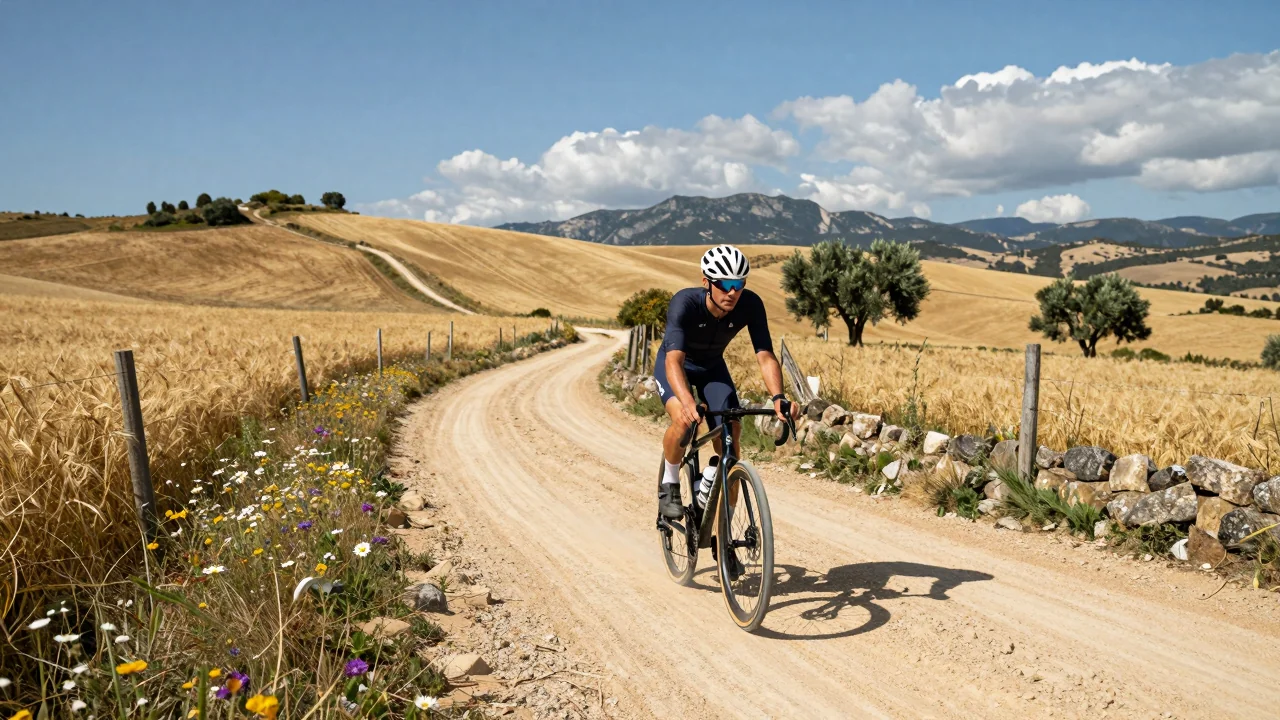
What if your next cycling adventure wasn’t about crowded highways but about the whisper of gravel under your tires and the scent of wild thyme on the wind? In 2026, Spain’s dirt roads are calling to those who crave freedom beyond paved paths, offering some of Europe’s most exhilarating cycling dirt roads Spain has to offer. Imagine rolling through sun-drenched olive groves in Andalusia or skirting the jagged peaks of the Pyrenees—each turn revealing a landscape untouched by time. These routes aren’t just trails; they’re stories waiting to unfold, where every climb and descent becomes a chapter of pure adventure.
Picture this: you’re pedaling along a forgotten dirt track in Extremadura, the morning light painting the dehesa in gold, when suddenly, a flock of black-footed sheep scatters across your path. Moments like these are why cyclists flock to Spain’s backroads year after year—and 2026 is set to be no different. With advancements in gravel bike technology, like the latest carbon-fiber frames from Orbea and specialized suspension systems, even the roughest terrain feels like a dance between rider and road. But it’s not just about gear; it’s about the raw, unfiltered joy of exploring places where the only soundtrack is your own heartbeat and the rustle of leaves overhead.
Top Dirt Roads for Cycling in Spain in 2026
The sun dipped below the horizon as I pedaled along a winding dirt road in the Pyrenees, the cool mountain air filling my lungs with each breath. This wasn’t just any ride—it was an adventure through some of Spain’s most breathtaking and challenging cycling routes. Whether you’re a seasoned cyclist or an enthusiast looking for new thrills, cycling dirt roads in Spain offers an unparalleled experience.
Route 1: The Pyrenees Adventure
The Pyrenees stand as a testament to nature’s raw beauty, where rugged terrain meets technical challenges that push even the most experienced cyclists to their limits. The Col du Portillon, with its steep ascents and breathtaking views, is just one of many legendary climbs in this region. For those seeking an extra edge, the Specialized Turbo Levo SL (starting at €7,500) is a favorite among gravel riders, combining lightweight performance with off-road durability.
What makes these dirt roads so special? Here’s what you can expect:
– Epic climbs like the Col de Puymorens, where gradients exceed 10%
– Serene descents along forgotten paths lined with wildflowers
– Shepherds’ trails that wind through alpine meadows
– Hidden lakes reflecting the surrounding peaks
– Local mountain refuges serving hearty stews and artisanal cheeses
For a curated experience, consider joining a guided tour like Discover Spain’s Quiet Roads on a Bike Tour in 2026, which takes you through these iconic routes with expert guides.
Route 2: Andalusia’s Hidden Gems
While the Pyrenees demand endurance, Andalusia’s dirt roads offer a different kind of magic—one of hidden valleys and sun-drenched olive groves. The Ruta de los Pueblos Blancos is a standout, where narrow paths connect charming whitewashed villages that seem frozen in time. A gravel bike like the Canyon Grizl CF SLX 8 (€3,200) is perfect for these routes, balancing comfort and control on loose terrain.
Here’s what makes Andalusia’s dirt roads unforgettable:
– Olive tree-lined paths stretching as far as the eye can see
– Abandoned Roman roads that date back centuries
– Crisp morning air perfumed with wild thyme
– Hidden waterfalls where you can take a refreshing break
– Authentic tapas bars in villages like Zahara de la Sierra
As the sun sets over Andalusia’s rolling hills, it’s easy to see why these routes have become a cyclist’s dream.
Essential Gear for Cycling Dirt Roads Spain
The sun had barely risen over the rolling hills of Andalucía when I set out on my gravel bike, the crisp morning air carrying the scent of wild thyme. As I pedaled onto a narrow dirt road that snaked through olive groves, I realized just how crucial the right gear is for cycling dirt roads in Spain. The terrain here shifts from smooth gravel paths to rocky, technical trails within minutes, demanding equipment built for versatility and durability.
Must-Have Equipment for Off-Road Cycling
To tackle Spain’s diverse terrain, your bike should be a rugged workhorse like the Specialized Diverge Pro Carbon, priced at $5,200 in 2026. Its Future Shock suspension system absorbs bumps effortlessly, while its gravel-specific tires—such as the WTB Raddler (700x35c)—provide grip on loose surfaces. Pair it with a set of Shimano GRX RX810 hydraulic disc brakes for precise stopping power in all conditions.
Don’t overlook protective gear: a Giro Syntax helmet ($120) offers ventilation and impact protection, while Endura’s Hummvee shorts ($99) keep you comfortable on long rides. A Garmin Edge 1040 Solar navigation device ensures you never lose your way, even on remote paths.
“The right gravel bike can transform a challenging ride into an exhilarating adventure.”
— Professional cycling coach, Miguel Rojas
Maintenance Tips for Long-Distance Rides
Before embarking on a multi-day tour through Spain’s backroads, give your bike a thorough checkup. Clean and lube the drivetrain with Finish Line 1-Step Cleaner & Luber ($9), and carry spare tubes or a patch kit like the Park Tool GP-2 Repair Kit ($40). A portable air pump, such as the Topeak Road Morph G ($50), ensures you can inflate tires on the go.
For longer rides, invest in a lightweight repair kit that includes chain links (SRAM PowerLock Link for SRAM chains) and a multitool like the Crank Brothers M19. A hydration pack, such as CamelBak’s Circuit Vest ($80), keeps water and snacks within reach while you ride.
With your gear and bike prepped, you’re ready to embrace the freedom of Spain’s unpaved landscapes—but first, let’s talk about the routes that make these adventures unforgettable.
Best Time to Cycle Spain’s Dirt Roads
Picture this: a golden sunrise painting the rolling hills of Andalucía as you pedal down an empty dirt road, the scent of wild thyme filling the air. This is the magic of cycling dirt roads in Spain, where every season offers something unique for adventurers on two wheels.
Seasonal Considerations for Optimal Cycling
The best time to explore Spain’s backcountry trails is between April and June or September and October, when temperatures are mild and rainfall is minimal. Spring brings vibrant wildflowers along routes like the Camino Natural de la Sierra Morena, while autumn rewards riders with crisp air and harvest-time scenery.
- April–June: Ideal for warm days and cooler nights; perfect for endurance rides.
- July–August: Avoid midday heat in southern regions, but early morning or late evening rides are still manageable.
- September–October: Stunning fall foliage and comfortable temperatures for long-distance cycling.
- November–March: Winter can be chilly in the mountains, but coastal routes remain accessible.
For gear, a Giant Defy Advanced 3 (starting at €2,500) handles gravel roads smoothly, while the Specialized Turbo Levo SL Comp (€6,500) offers electric assistance for steep climbs. Don’t forget weatherproof layers like the Castelli Perfetto RoS Long Sleeve Jersey (€199), which wicks moisture and blocks wind.
Avoiding Crowds on Popular Routes
To escape the crowds, time your ride during weekdays or opt for less-traveled routes like the Ruta de los Pueblos Blancos, where whitewashed villages dot quiet backroads. Early morning starts also ensure you’ll have stretches of solitude to soak in Spain’s untouched beauty.
- Ride midweek: Weekends attract more local cyclists and tourists.
- Explore early or late: Beat the heat and crowds by starting before 8 AM or riding after 6 PM.
- Use GPS navigation: Apps like Komoot (free version available) help discover hidden paths.
- Check local events: Festivals can bring unexpected traffic, so plan accordingly.
With these tips in mind, you’ll be ready to find your own slice of tranquility on Spain’s dirt roads.
Safety Tips for Cycling Unpaved Roads in 2026
The sun had barely risen over the rolling hills of Andalusia when I first embarked on my journey along Spain’s most breathtaking cycling dirt roads. The quiet crunch of gravel beneath my tires was a soothing soundtrack, but it wasn’t long before I realized how different unpaved cycling could be from paved routes. Remote beauty comes with its own set of challenges, and preparation is key to ensuring every adventure ends safely.
Navigating Remote Areas Safely
Venturing into Spain’s less-traveled regions means embracing solitude—but also being mindful of safety. Before setting out, always map your route using GPS devices like the Garmin Edge 1040 Solar, which offers solar charging capabilities and advanced navigation features for just under €600. Carry a fully charged power bank, as signal can be unreliable in rural areas. Pack lightweight emergency gear, such as a Lezyne Micro Floor Drive HV hand pump (€39.99) or a compact Topeak Road Morph G (€45), to handle flats without hesitation.
“Cycling on dirt roads requires adaptability—conditions can change rapidly, and being prepared for anything is non-negotiable.” — Carlos Mendez, Professional Gravel Cyclist
Stick to well-marked trails when possible, and share your itinerary with someone reliable. A simple text or note app message can make a world of difference if you encounter delays. If you’re cycling in areas like the Pyrenees or Sierra Nevada, consider joining local cycling groups for real-time updates on road conditions—safety in numbers is always a plus.
Emergency Preparedness on Dirt Roads
Even the most experienced cyclists can face unexpected situations, and having an emergency kit tailored to unpaved terrain is crucial. A first aid kit from Adventure Medical Kits (around €30) should include blister treatments, bandages, and antiseptic wipes—small but vital essentials. For longer rides, pack high-energy snacks like Clif Bars or SiS Beta Fuel, which provide sustained energy without weighing you down.
“In 2026, advancements in wearable tech have made it easier to monitor health metrics while cycling, reducing the risk of fatigue-related incidents by up to 30%.”
Additionally, a compact Deuter Speed Lite backpack (€59.99) can hold water reserves and a lightweight emergency blanket, ensuring you’re ready for anything from overheating to sudden weather changes. Familiarize yourself with basic bike repairs—knowing how to fix a derailleur or adjust brakes could save your ride.
As the sun begins its descent over Spain’s rugged landscapes, the thrill of exploring cycling dirt roads is unmatched—but so too is the peace of mind that comes from being prepared. With these precautions in place, the next stretch of your journey awaits, ready to reveal even more hidden wonders.
Cultural Experiences Along the Way
Picture this: You’re pedaling down a sun-dappled dirt trail in rural Andalusia, the scent of wild thyme heavy in the air, when you stumble upon a tiny village square buzzing with life. The rhythmic clatter of your mountain bike’s Shimano Deore XT brakes blends with laughter from locals gathered at a café, their eyes lighting up as they welcome you to share stories—and perhaps a bite of something delicious.
Local Cuisine and Cycling Stops
Cycling dirt roads in Spain isn’t just about the terrain; it’s a feast for the senses. After tackling the rugged paths of the Sierra Nevada on your Trek Fuel EX 5, there’s nothing better than stopping at a roadside venta (rural inn) to refuel. Here are some must-try foods and rest spots that make the journey unforgettable:
- Pan con Tomate: Fresh bread rubbed with garlic and ripe tomatoes, drizzled with olive oil—simple yet perfect for an energy boost.
- Tortilla Española: A thick, savory potato omelet, often served at small cafés like Café Bar La Estación in Granada.
- Jamón Ibérico: Thinly sliced cured ham from acorn-fed pigs, best enjoyed with a cold beer after a long climb.
- Pisto Manchego: Spain’s answer to ratatouille, hearty and packed with roasted vegetables—ideal for post-ride recovery.
- Horchata con Fartons: A sweet drink made from tiger nuts, paired with soft pastries, a favorite in Valencia.
Pro tip: Pack your Garmin Edge 1040 Solar to track your route, but leave room in your backpack for these culinary treasures!
Meeting Fellow Cyclists and Locals
The real magic of cycling dirt roads in Spain lies in the people you meet. Whether it’s swapping trail tips with fellow adventurers at a bike shop like Bicicletas Blanco in Madrid or joining locals for a spontaneous sidra (cider) pull in Asturias, these connections turn solo rides into shared memories.
- Join a Group Ride: Many towns host weekly dirt road cycling meetups—ask at local shops for schedules.
- Learn Basic Spanish Phrases: A simple “¿Dónde está la ruta más difícil?” (Where is the hardest route?) can lead to unexpected friendships.
- Visit Bike-Friendly Bars: Places like Ciclista Café in Barcelona cater to cyclists with repair stations and themed decor.
- Attend Local Festivals: Timing your ride around events like La Tomatina or Feria de Abril adds a cultural twist.
From the rugged trails of Catalonia to the rolling hills of Castilla y León, every corner of Spain offers a story waiting to be discovered—and shared over a plate of tapas.
The best part? These experiences only scratch the surface of what awaits on your next adventure.
The Open Road Awaits: Your Next Cycling Adventure on Spain’s Dirt Roads
As the sun dips below the rolling hills of Andalusia and the crisp mountain air of the Pyrenees fills your lungs, you realize that cycling dirt roads in Spain isn’t just about the journey—it’s about the stories etched into every kilometer. In 2026, these paths continue to offer some of the most breathtaking and challenging routes for adventurous cyclists. From the sun-baked trails of Castilla-La Mancha to the rugged beauty of Asturias, Spain’s dirt roads promise an escape from the ordinary, where every turn reveals a new landscape, a hidden village, or a moment of pure exhilaration.
This year has proven that cycling dirt roads in Spain is more than just a sport; it’s a way to connect with the land and its people. Whether you’re seeking solitude on remote trails or camaraderie at a roadside café, these routes offer something for every rider. The thrill of conquering steep climbs, the joy of coasting down winding descents, and the satisfaction of exploring off-the-beaten-path destinations make this adventure one to remember.
Ready to hit the trail? Grab your bike, pack your gear, and set out to discover Spain’s best dirt roads—your next unforgettable cycling adventure starts now!