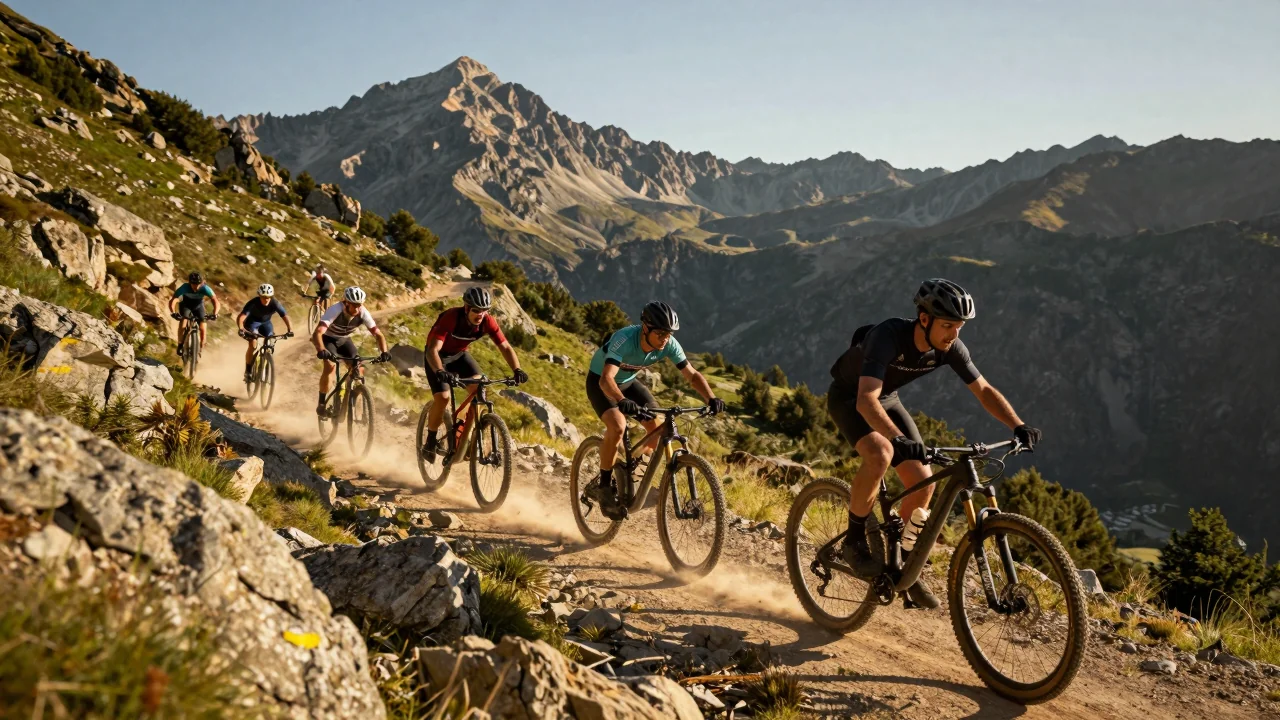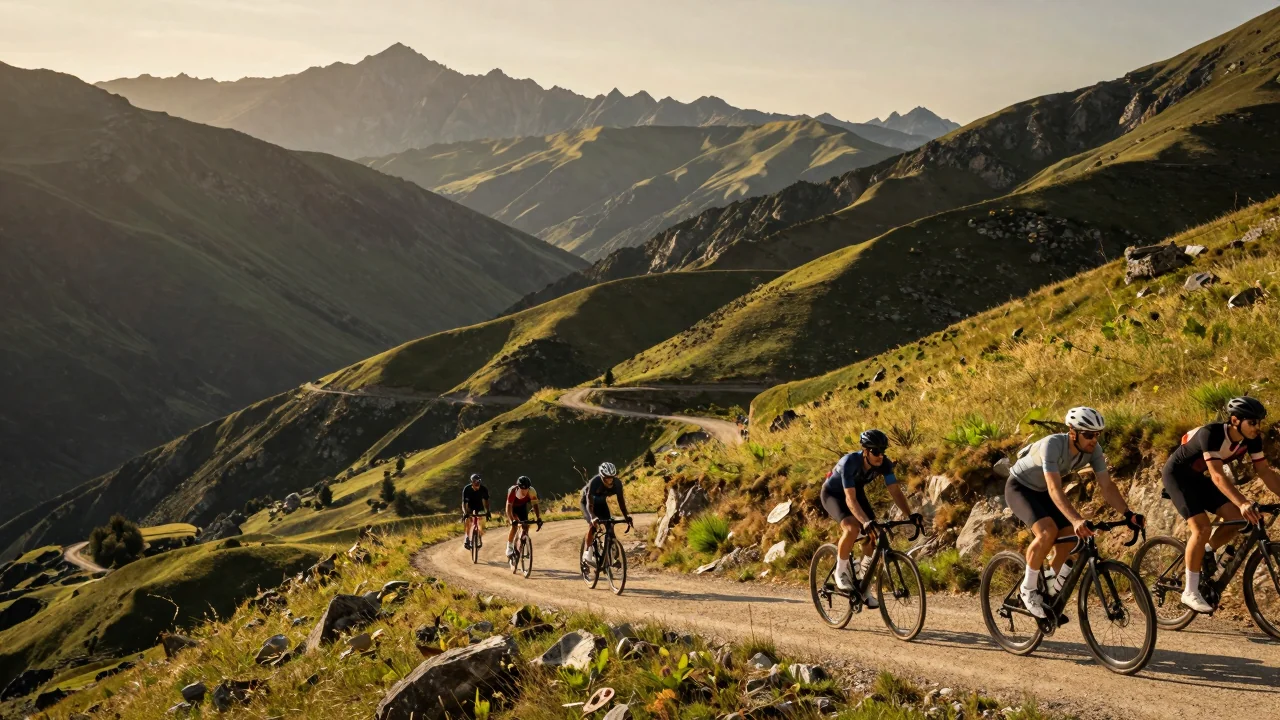
Ever dreamed of conquering winding mountain roads with the Mediterranean breeze at your back? If you’re craving an unforgettable cycling adventure, look no further than cycling in Spanish mountains. Spain’s dramatic landscapes offer some of Europe’s most spectacular routes—perfect for thrill-seekers and scenic riders alike.
Imagine tackling the legendary climbs of the Pyrenees or weaving through the rugged peaks of Sierra Nevada. In 2026, these trails are hotter than ever, with cyclists flocking to Spain for its perfect mix of challenge and beauty. Whether you’re a seasoned racer or just looking for an epic weekend ride, this guide will take you through the best routes, hidden gems, and must-pack gear to make your mountain cycling dreams come true. Ready to pedal into paradise? Let’s get started!
Top 5 Must-Ride Mountain Cycling Routes in 2026
So, you’re dreaming of conquering some of Spain’s most breathtaking mountain terrain on two wheels? You’re in the right place! The year 2026 is shaping up to be an incredible time for cycling in Spanish mountains, with routes that offer everything from heart-pounding climbs to jaw-dropping views. Whether you’re a seasoned rider or just looking to challenge yourself, these epic routes are guaranteed to get your adrenaline pumping.
The Pyrenees: A Cyclist’s Paradise
Let’s kick things off with the legendary Pyrenees—one of Europe’s most iconic mountain ranges for cycling. This 2026, the Pyrenees continue to be a hotspot for riders seeking both beauty and challenge. The region boasts routes that have tested pros in the Tour de France, but don’t worry; there are plenty of options for all skill levels.
If you’re looking for inspiration, here are some must-try climbs:
– Col du Portet: A brutal but rewarding ascent with gradients up to 10%. Perfect if you want to push your limits.
– Aubisque Pass: A classic route with hairpin turns and stunning vistas. Bring your camera!
– Péguère: A quieter, lesser-known climb that’s ideal for those who love solitude and sweeping mountain views.
– Tourmalet: Famous for its role in cycling history—it’s a bucket-list ride for many.
– Puerto de la Bonaigua: The highest paved road in the Pyrenees at 2,078 meters. Altitude training recommended!
For gear recommendations, consider the Specialized S-Works Tarmac SL8 (around $13,000), a lightweight dream for tackling these climbs, or the more budget-friendly Trek Domane+ LT ($9,500) if you prefer e-bike assistance on steeper sections.
Sierra Nevada: High-Altitude Thrills
Now, let’s head south to Sierra Nevada, where the air is thinner and the views are even more spectacular. This 2026, Sierra Nevada remains a top destination for cyclists who crave high-altitude adventures. The region offers some of Spain’s most dramatic landscapes, with routes that twist through rugged peaks and past glittering lakes.
Here’s what you can expect:
– Montegenove Pass: A steep but short climb that’ll test your quads—great for a quick but intense workout.
– Sierra Nevada Circuit: A longer loop with sustained gradients, perfect for endurance training.
– Borreguiles Lakes: Ride past these turquoise lakes for a serene break from the challenge.
– Puerto de la Ragua: One of Spain’s highest mountain passes at 1,975 meters. Pack layers—temps can drop fast!
– Alpujarras Route: A scenic descent through charming white villages and terraced hillsides.
For Sierra Nevada rides, the Canyon Ultimate CF SLX ($6,000) is a fantastic all-rounder with a responsive frame, or go for the Orbea Orca M30i Team ($4,500) if you want a balance of performance and value.
Ready to explore even more? Next up, we’ll dive into some lesser-known gems that deserve a spot on your 2026 cycling bucket list.
Why Choose Cycling in Spanish Mountains?
If you’re looking for a cycling adventure that combines breathtaking scenery with challenging climbs and rich culture, then cycling in Spanish mountains should be at the top of your 2026 bucket list. Spain’s diverse landscapes offer something for every type of rider—whether you’re a seasoned pro or just starting out.
The Unique Terrain Advantage
Spain’s mountain ranges, from the Pyrenees to the Sierra Nevada, are a cyclist’s dream come true. The terrain is as varied as it is stunning, with rolling hills that ease you into longer rides and steep ascents like the infamous Alpe d’Huez-style climbs in Andorra that’ll test your endurance. Imagine tackling the Camarillo Pass on a Specialized Tarmac SL8, its carbon frame slicing through the crisp mountain air—priced around €6,500, it’s an investment worth every pedal stroke.
“Spain’s mountain routes offer some of the most technically demanding and visually rewarding climbs in Europe.” — Pro Cycling Insider Magazine
What makes these routes special is how they seamlessly blend difficulty with accessibility. Whether you’re chasing Strava segments or just soaking in the views, the Spanish mountains deliver. And let’s not forget the descents—long, winding roads that let you fly past olive groves and vineyards at speeds your road bike was made for.
Cultural Experiences Along the Way
But cycling in Spanish mountains isn’t just about the physical challenge—it’s about the journey through time and tradition. Picture stopping at a family-run ventanilla in Asturias for fresh artisan cheese, or refueling with churros in a quaint Pyrenees village after conquering a climb. These routes pass by historic sites like the Roman ruins of Tarragona or the Moorish architecture of Granada, making every ride feel like a history lesson.
And the food? Oh, it’s a game-changer. Fuel up with tortilla española at a roadside café or treat yourself to paella after a long day in the saddle. The local flavors are as rich and vibrant as the landscapes you’re cycling through, turning every pit stop into a memorable experience.
With so much to explore—both on and off the bike—you’ll understand why Spain’s mountains are a must-ride destination for 2026.
Essential Gear for Mountain Cycling in 2026
So, you’re ready to conquer Spain’s stunning mountain trails? Before you hit those epic routes, let’s talk gear—because the right equipment can make or break your adventure. Whether you’re tackling the steep climbs of the Pyrenees or the winding paths of the Sierra Nevada, having high-tech, reliable gear is non-negotiable for cycling in Spanish mountains.
High-Tech Equipment Reviews
This year’s innovations are a game-changer for mountain cycling enthusiasts. Take the Specialized Turbo Levo SL, for example—this e-mountain bike combines lightweight carbon construction with a powerful motor, making it perfect for Spain’s challenging terrains. Priced around €6,500, it offers 150mm of travel and a range of up to 80km on a single charge. For those who prefer a traditional ride, the Trek Fuel EX might be your best bet—its advanced suspension system and durable frame ensure smooth sailing over rocky trails. And let’s not forget about helmets! The Giro Syntax MIPS, retailing at €120, is a favorite for its ventilation and top-notch safety features.
Looking to optimize your ride? Check out the Garmin Edge 130 Plus cycling computer—it’s compact, easy to use, and syncs seamlessly with your smartphone. Priced at around €250, it tracks your speed, distance, and even maps out your route in real time. And if you’re planning a multi-day adventure, the Ortlieb Ultimate6 Classic panniers (€90) are waterproof and super sturdy, keeping your gear dry no matter how unpredictable the weather gets. Curious about more scenic routes? Don’t miss our guide on Best Bike Routes in Andalusia Cycling Adventures Await.
Safety Tips for Challenging Terrains
Spain’s mountain trails are breathtaking, but they can also be unpredictable. First things first: always invest in a high-quality helmet—no exceptions! The Kask Mojaw II is a great pick with its aerodynamic design and 18 vents for maximum airflow. Next up, visibility is key. Reflective gear like the CatEye Omni 3 rear light (€25) ensures you’re seen even on dimly lit paths. Hydration packs are another must-have; the CamelBak Podium Big Chill holds 1.5L of water and fits snugly in your backpack or bike cage.
Now, let’s talk about terrain awareness. Spain’s mountain roads can be narrow and winding, so always scout your route beforehand using apps like Komoot or Strava Heatmaps. And if you’re venturing into remote areas, consider bringing a satellite communicator like the Garmin inReach Mini 2 (€350)—it’ll give you peace of mind knowing help is just a message away.
With the right gear and safety precautions in place, you’re all set to take on Spain’s legendary mountain trails—and trust me, the thrill of the ride will be worth every penny spent.
Best Time to Visit for Mountain Cycling
If you’re planning an adventure of cycling in Spanish mountains, timing is everything. The right season can make all the difference between a good ride and an unforgettable experience. Spain’s diverse mountain ranges, from the Pyrenees to Sierra Nevada, offer something special no matter when you visit—but some months truly shine.
Seasonal Weather Considerations
For the best cycling in Spanish mountains, aim for late spring through early autumn—roughly April to October. During these months, the weather is mild, and the roads are clear of heavy snow, making routes like the Sierra de Guadarrama or the iconic Alpe d’Huez-style climb up La Molina more enjoyable. June and September are particularly sweet spots, offering warm days without the scorching heat of July and August.
- April–May: Cooler temperatures, fewer crowds, perfect for training.
- June–July: Ideal for high-altitude rides, but pack sunscreen—UV rays are intense!
- August: Peak season in popular areas like Mallorca; expect warm weather and lively atmosphere.
- September–October: Stunning fall foliage, crisp air, and great conditions for endurance cycling.
Avoiding Crowds: Off-Peak Advantages
While summer is the go-to time for many cyclists, off-peak seasons—early spring or late autumn—have their own magic. Fewer tourists mean quieter roads, which is a dream if you’re chasing solitude or training without interruptions. Plus, accommodations and bike rentals (like those from Orbea or Scott, with models such as the Orbea Orca M20i at around €3,500) are often cheaper during these months.
Another perk? You’ll have iconic routes like the Col du Tourmalet all to yourself. Just remember to layer up—temperatures can dip, especially in higher elevations. If you’re not afraid of a little chill, off-peak cycling offers a peaceful, almost meditative experience.
With the best times to ride covered, let’s talk about what to pack for these epic mountain adventures.
Training Tips for Epic Mountain Rides in 2026
You’ve picked your dream route through Spain’s stunning mountains—now it’s time to get ready for the challenge! Whether you’re tackling the famous Anguil del Cabo or the steep gradients of Sierra Nevada, proper training is key. The good news? With the right approach, even the toughest climbs become manageable.
Building Endurance for Long Climbs
Consistency is everything when preparing for cycling in Spanish mountains. Start with base-mile workouts using a reliable bike like the Trek Domane SL 6 (around $3,000) to build a strong foundation. Aim for two long rides per week, gradually increasing distance and elevation gain. For example, if your target climb is 15% for 8km, simulate it on indoor trainers like the Wahoo Kickr Snap ($799) with steep incline settings.
“Endurance isn’t just about physical strength—it’s mental too. The riders who thrive in mountain climbs are those who’ve trained their minds to push through discomfort.” — Joaquim Rodríguez, former pro cyclist
Don’t forget recovery! Alternate hard efforts with easy spins and prioritize sleep. As 2026 approaches, focus on back-to-back long rides to mimic the fatigue of multi-day mountain adventures.
Nutrition and Hydration Strategies
Fueling your body efficiently can make or break a climb. Carbs are your best friend—opt for easily digestible options like Clif Bars ($1.50 each) or Maurten Gel 100 (24-pack for $36). During rides longer than two hours, consume 60–90 grams of carbs per hour.
Hydration is just as critical. Invest in a hydration pack like the CamelBak Podium Chill (around $15) and sip electrolyte-rich drinks every 20 minutes to avoid cramps. Pro tip: Practice your nutrition plan during training rides so your stomach knows what to expect on race day.
Now that you’re prepped for the physical demands, let’s talk about gear—because having the right equipment can make those mountain passes feel a little less daunting!
Ready to Conquer Spain’s Peaks?
So there you have it—your ultimate guide to cycling in Spanish mountains for 2026! From the exhilarating climbs of the Pyrenees to the sun-soaked slopes of Andalusia, we’ve covered the best routes, essential tips, and hidden gems that’ll make your next adventure unforgettable. Whether you’re chasing epic views or pushing your limits on challenging terrain, Spain’s diverse landscapes offer something for every rider.
Now it’s time to gear up, plan your route, and hit those scenic trails. The mountains are calling—will you answer? 🚵♂️