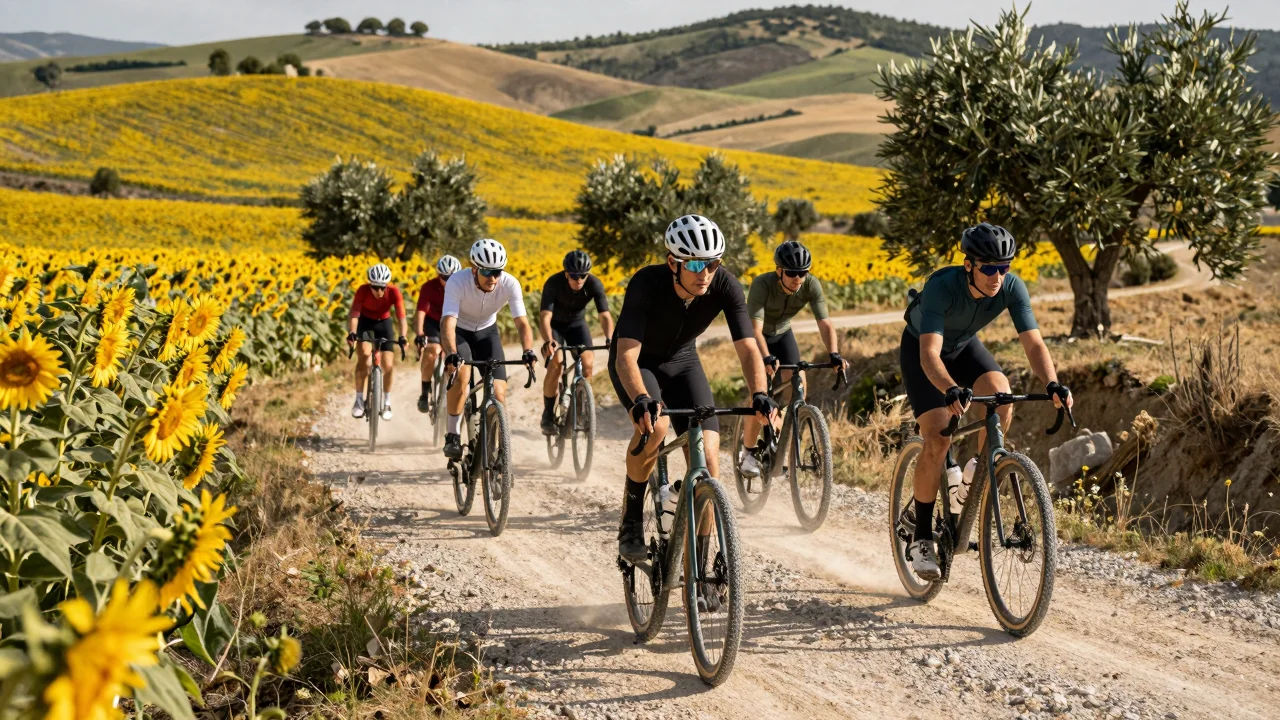
Forget the myth that gravel biking is just a rugged alternative to road cycling—it’s an entirely different adventure, and gravel biking Spain proves it. With over 10,000 kilometers of untapped trails weaving through dramatic landscapes from the Pyrenees to Andalusia, Spain has quietly become Europe’s premier destination for gravel enthusiasts. In 2026, cyclists armed with bikes like the Specialized Diverge and Cannondale Topstone will find routes that challenge their limits while rewarding them with vistas most travelers never see.
Spain’s gravel biking revolution isn’t just about terrain—it’s about culture, history, and untold stories. The country’s 2026 Gravel Bike Network expansion, backed by the Spanish Cycling Federation, promises seamless connectivity between historic sites like Catalonia’s medieval villages and the wild expanses of Extremadura. With routes tailored for all skill levels, from the coastal gravel trails of Costa Brava to the volcanic landscapes of Lanzarote, this is the year to rediscover Spain on two wheels. Whether you’re chasing epic descents or leisurely rides through vineyards, these routes redefine what adventure cycling can be.
Best Gravel Biking Routes in Spain for 2026
Spain’s diverse landscapes offer some of the world’s most exhilarating gravel biking experiences, with routes catering to all skill levels. Whether you’re a seasoned rider or a beginner looking to explore, these trails provide a perfect blend of adventure and scenic beauty. Equipped with the right gear, such as the Specialized Diverge Pro Carbon (RRP £5,200) or the Canyon Grail CF SL 7 Di2 (€4,999), riders can tackle Spain’s varied terrain with confidence.
Northern Spain’s Coastal Trails
Northern Spain’s rugged coastline is a gravel biker’s paradise, offering stunning ocean views and challenging terrain. The region’s trails wind through lush greenery, dramatic cliffs, and charming coastal villages, making it an ideal destination for those seeking both adventure and tranquility. Key routes include the Camino de Santiago Coastal Path, which features well-maintained gravel sections perfect for endurance riding, and the Basque Country’s Udalaitz Trail, known for its technical descents and breathtaking vistas.
- Camino de Santiago Coastal Path – 80km of mixed terrain with ocean views
- Udalaitz Trail (Basque Country) – Technical descents and rocky sections
- Ruta del Cares (Asturias & León) – Narrow gravel paths along a stunning gorge
- Costa Brava Gravel Loop – 50km of coastal trails with Mediterranean scenery
- Galicia’s Rías Baixas Trails – Flat, scenic routes through vineyards and beaches
With the right equipment, such as the WTB Trail Boss tires (£60) for enhanced grip on loose surfaces, riders can fully immerse themselves in Northern Spain’s coastal trails.
Andalusia’s Historic Paths
Andalusia combines history, culture, and adventure with its well-maintained gravel routes that wind through ancient cities and scenic countryside. The Via Verde de la Sierra, a converted railway line stretching 34 kilometers, offers smooth gravel paths perfect for leisurely rides or high-speed endurance training. Meanwhile, the White Villages Route takes riders through picturesque towns like Ronda and Zahara de la Sierra, blending cultural exploration with physical challenge.
- Via Verde de la Sierra – 34km of converted railway line with gentle inclines
- White Villages Route (Ruta de los Pueblos Blancos) – Scenic paths connecting historic villages
- Sierra Nevada Gravel Loop – High-altitude trails with panoramic mountain views
- Doñana National Park Trails – Wild gravel routes through wetlands and dunes
- Caminito del Rey Gravel Extension – A thrilling detour from the famous walkway
The Specialized Power MIPS Helmet (£120) provides essential protection for riders tackling Andalusia’s varied terrain.
From coastal adventures to cultural explorations, Spain’s gravel biking routes in 2026 promise unforgettable experiences.
Why Gravel Biking in Spain is a Must-Try
Gravel biking in Spain has surged in popularity, and for good reason. The country’s expansive landscapes provide an unparalleled playground for riders seeking adventure on two wheels. From the rugged peaks of the Pyrenees to the sun-drenched vineyards of La Rioja, Spain’s varied topography ensures that every gravel biking experience is unique. Whether you’re a seasoned cyclist or a beginner looking to explore off-road trails, Spain offers routes tailored to all skill levels.
The Variety of Terrains
Spain’s diverse terrains make it one of the best destinations for gravel biking enthusiasts. In the north, the rocky trails and steep ascents of the Basque Country challenge even the most experienced riders. Meanwhile, the central plateau of Castilla y León features vast expanses of mixed terrain, perfect for long-distance gravel adventures on bikes like the Specialized Diverge Pro (MSRP: $7,000), which excels on rough surfaces with its Future Shock suspension system.
“Spain’s gravel routes offer some of the most technically demanding and scenically rewarding riding in Europe.” — Cycling Weekly
To the south, Andalusia’s rolling hills and coastal paths provide a more relaxed but equally breathtaking experience. The combination of dirt roads, cobblestone tracks, and smooth pavements ensures that every ride is dynamic and engaging. This variety allows riders to customize their journeys, whether they prefer high-intensity climbs or leisurely explorations through historic villages.
Year-Round Cycling Weather
One of the standout advantages of gravel biking in Spain is its favorable climate year-round. While northern Europe grapples with harsh winters, Spain’s Mediterranean and Atlantic influences create mild conditions even in the colder months. Spring and autumn are particularly ideal for long-distance rides, with temperatures rarely dipping below 10°C (50°F), making it comfortable to tackle routes like the Camino de Santiago’s gravel sections on a bike such as the Trek Checkpoint SL (MSRP: $3,200).
In summer, coastal regions benefit from sea breezes that mitigate the heat, while inland areas remain warm but manageable with early morning starts. This consistency in weather makes 2026 an exceptional year to explore Spain’s gravel trails without worrying about extreme conditions disrupting your adventure.
With such diverse terrain and reliable weather, it’s clear why Spain is a top destination for gravel enthusiasts. The next step is discovering the best routes to experience this cycling paradise firsthand.
Essential Gear for Gravel Biking in Spain
Embarking on a gravel biking adventure in Spain requires careful preparation to ensure both safety and enjoyment. The right gear can make the difference between a challenging experience and an unforgettable journey through Spain’s diverse terrain. From rugged mountain passes to coastal trails, having the appropriate equipment will enhance your ride and help you navigate the varied landscapes with confidence.
Must-Have Equipment for 2026
The latest trends in gravel biking gear emphasize durability, versatility, and technological integration. A high-performance gravel bike like the Specialized Diverge Pro Carbon (MSRP: $7,500) is a top choice, featuring future shock suspension and puncture-resistant tires designed to tackle Spain’s mixed surfaces. For added control on rough terrain, the SRAM GX Eagle AXS drivetrain (MSRP: $699) provides seamless shifting and reliability. Additionally, the Garmin Edge 1040 Solar (MSRP: $599) offers advanced navigation features, including solar charging capabilities—ideal for long-distance routes through remote areas.
Other essential gear includes the Fox DPS Performance Elite suspension fork ($749), which absorbs impacts on rocky trails, and the Lezyne Super GPS 2.0 device ($249) for real-time tracking. Don’t forget protective gear like the Giro Chrono Expert Halford gloves ($50) and the POC Octal X SPIN helmet ($260), both designed to enhance comfort and safety during intense rides.
Packing Tips for Different Regions
Spain’s varied landscapes demand strategic packing. For mountainous regions like the Pyrenees, prioritize lightweight layers such as the Rapha Brevet Jersey (MSRP: $150) and the Castelli Alpha RoS Jacket ($299), which offer windproof protection without adding bulk. In contrast, coastal routes may require breathable fabrics to manage heat and humidity. The Assos Mille GT Spring Fall Shorts ($239) provide optimal ventilation for warmer climates.
When exploring remote areas, pack essential repair tools like the Crankbrothers M19 Multi-Tool ($40) and a compact air pump. Hydration is critical, so consider the CamelBak Podium Chill 21oz bottle (MSRP: $13), which keeps water cool for extended rides. For navigation, download offline maps using apps like Komoot or consult detailed guides such as Scenic Cycling Routes in Spain Panoramic Views Await.
With the right gear and packing strategy, you’ll be fully prepared to explore Spain’s gravel biking trails with ease.
Top Destinations for Gravel Biking in 2026
Spain’s diverse landscapes make it a premier destination for gravel biking enthusiasts. From rugged mountain trails to historic pilgrimage routes, the country offers an unparalleled mix of adventure and cultural richness. In 2026, riders can expect even more refined trail networks, better-equipped bike rentals, and enhanced infrastructure catering specifically to gravel bikers.
For those seeking a true test of endurance and skill, the Pyrenees and the Camino de Santiago stand out as must-visit destinations. These routes not only challenge riders with their terrain but also reward them with breathtaking views and unforgettable experiences.
The Pyrenees Challenge
Tackle the challenging yet rewarding gravel routes through the Pyrenees mountains.
The Pyrenees present some of the most exhilarating gravel biking opportunities in Spain. Riders can explore a network of trails that weave through high-altitude passes, dense forests, and open meadows. The region’s diverse terrain demands versatility, making bikes like the Specialized Diverge Pro (MSRP: $8,600) or the Canyon Grail CF SLX (MSRP: $5,299) ideal choices for handling both rough descents and steep climbs.
Key highlights of gravel biking in the Pyrenees include:
– The Col du Tourmalet, famous for its grueling ascents
– The scenic trails around Andorra, blending Spain and France
– Remote mountain villages offering authentic Catalan cuisine
– Well-marked routes suitable for intermediate to advanced riders
– Stunning vistas of snow-capped peaks and deep valleys
With the addition of new trail markers and improved access roads in 2026, the Pyrenees are set to become even more rider-friendly.
The Camino de Santiago Gravel Route
Experience a unique blend of history and adventure on this iconic pilgrimage path.
The Camino de Santiago has long been a spiritual journey, but in recent years, it has also gained popularity among gravel bikers. The route offers a mix of well-paved sections and rough, unpaved trails, allowing riders to follow the footsteps of medieval pilgrims while enjoying modern cycling comforts.
Key features of the Camino de Santiago gravel route include:
– A total distance of approximately 800 km from St-Jean-Pied-de-Port to Santiago
– Scenic detours through rural Galician countryside
– Well-supported waypoints with bike-friendly accommodations
– The option to rent high-performance bikes like the Trek Checkpoint SL (MSRP: $3,799)
– Cultural immersion in historic towns along the route
By 2026, efforts to improve trail signage and expand gravel-specific sections will make this route even more accessible to adventure seekers.
Spain’s gravel biking scene continues to evolve, offering riders new ways to explore its natural beauty and rich heritage.
Planning Your Gravel Biking Trip to Spain for 2026
Gravel biking in Spain offers an unparalleled blend of rugged terrain and scenic beauty, making it a top destination for adventure cyclists in 2026. To maximize your experience, careful planning is essential—starting with the best time to visit.
Best Time to Visit
The optimal months for gravel biking in Spain are April through June and September through October in 2026. During these periods, temperatures are mild, averaging between 15°C and 25°C (59°F–77°F), making conditions ideal for long rides. Summer months can be excessively hot, particularly in inland regions like Andalusia, where temperatures often exceed 35°C (95°F). Conversely, winter brings shorter days and potential rain, especially in northern areas such as the Pyrenees.
“Spring and autumn offer the perfect balance of stable weather and fewer crowds, allowing gravel bikers to explore Spain’s diverse landscapes at their own pace.”
— Juan Carlos Mendez, Professional Gravel Biking Guide
Accommodation and Logistics
Securing accommodations in advance is crucial, particularly for popular routes like the Camino de Santiago or the Via Verde de Ojén. Opt for bike-friendly hotels such as NH Collection Madrid Palacio de Tepa, which offers secure storage and repair services for approximately €120 per night, or budget-conscious hostels like Albergue La Playa in Tarifa, priced at around €35 per night. For logistical ease, consider renting a gravel bike locally—companies like BikeRentalSpain.com provide high-performance models like the Specialized Diverge Pro Carbon for about €70 per day.
To streamline your route planning, use apps such as Komoot or Strava, which offer detailed trail maps and elevation profiles. Pre-loading offline maps ensures connectivity in remote areas, where signal strength can be unreliable. Additionally, packing lightweight gear—such as the Ortlieb Ultimate6 Classic Plus handlebar bag (€85) for essentials—keeps your load manageable while ensuring you’re prepared for any terrain.
With your trip planned and logistics secured, it’s time to delve into the thrilling routes that await.
Embrace the Gravel Biking Adventure of a Lifetime
Gravel biking in Spain has solidified its reputation as one of the world’s premier cycling destinations, thanks to its diverse terrain, rich history, and stunning landscapes. In 2026, riders can explore routes like the Camino de Santiago, the Catalan Coastline, and the Sierra Nevada Trails, each offering a unique blend of challenge and beauty. Whether you’re seeking epic climbs, coastal vistas, or mountain trails, Spain’s gravel routes cater to every skill level and preference.
From the rugged landscapes of Andalusia to the sun-soaked Mediterranean coastlines, gravel biking in Spain provides an unforgettable experience that combines adventure with cultural immersion. With well-maintained trails, welcoming local communities, and year-round riding conditions, there’s no better time to plan your next gravel adventure. So grab your bike, pack your gear, and get ready to conquer the top routes for 2026—Spain is waiting!